
Journal · 9 min read
Backlit SkinnyStone™: How to Design Translucent Stone Feature Walls
LED spacing, cavity depth, stone selection, and heat management for backlit onyx and translucent marble feature walls built with SkinnyStone™ panels.
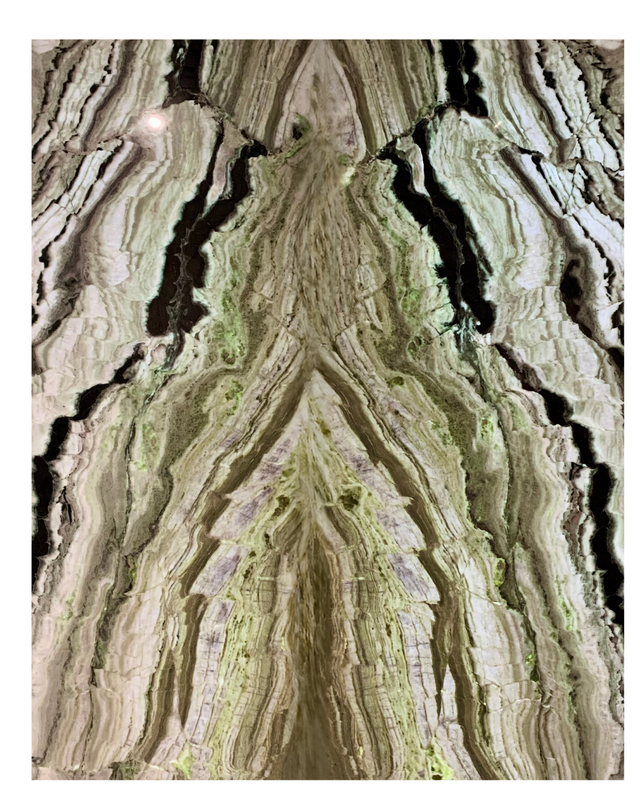
Backlighting is where ultra-thin stone stops being a construction efficiency and becomes pure theatre. At SkinnyStone™ thickness, translucent stones transmit light evenly, revealing internal banding and mineral structure that is completely invisible in a thick slab.
Stone selection comes first. Onyx is the classic choice — Green Wave, Rainbow, Honey, Blue River, White, and Tiger Onyx each glow with a distinct personality. Certain marbles, notably Zulio, and quartzites such as Cristallo and Infinity also perform beautifully. Dense dark marbles like Nero Marquina will not transmit light and should be used unlit.
Light source. Use high-CRI (90+) LED sheets or closely spaced strips rather than point sources. Spacing between LEDs should not exceed the cavity depth, or you will read hot spots and striping through the stone.
Cavity depth. Two to four inches between the LED plane and the back of the panel is the sweet spot for even diffusion. Line the cavity with a white diffusing surface, and add an acrylic diffuser when the cavity must be shallower.
Colour temperature. Warm white (2700–3000K) flatters honey, amber, and rainbow onyx. Neutral white (3500–4000K) suits green, blue, and grey stones. RGB systems are tempting, but restraint almost always reads more expensive.
Heat and service access. Specify low-heat drivers and leave a removable panel or accessible service edge so drivers can be replaced without dismantling the wall. This one detail separates a feature wall that ages well from one that becomes a liability.
Book-matching. Backlighting exaggerates veining, so book-matched pairs become far more dramatic when lit. Always dry-lay and light-test panels before final installation.
Frequently asked
- Which stones work best backlit?
- Onyx varieties lead — Green Wave, Rainbow, Honey, Blue River, White, and Tiger — along with translucent marbles such as Zulio and quartzites like Cristallo and Infinity.
- How deep should the LED cavity be?
- Two to four inches between the LED plane and the back of the panel gives even diffusion without hot spots.
- Will LEDs damage the stone?
- No. Modern low-heat LED systems run cool, and SkinnyStone™ panels are unaffected by normal LED operating temperatures.